Projects

Explore all projects financed via the program Resurseffektiv bebyggelse

The research in the program Resurseffektiv bebyggelse aims to contribute to new knowledge and solutions without negative climate impact, while simultaneously developing buildings into active nodes in the energy system.

This addresses challenges related to energy use in buildings throughout their lifecycle, from natural resources to delivered energy services. It also includes societal actors and structures, policy instruments, planning issues, the behaviors and habits of stakeholders, and their interactions with technological development.
Sustainable-management-of-existing-brick-masonry

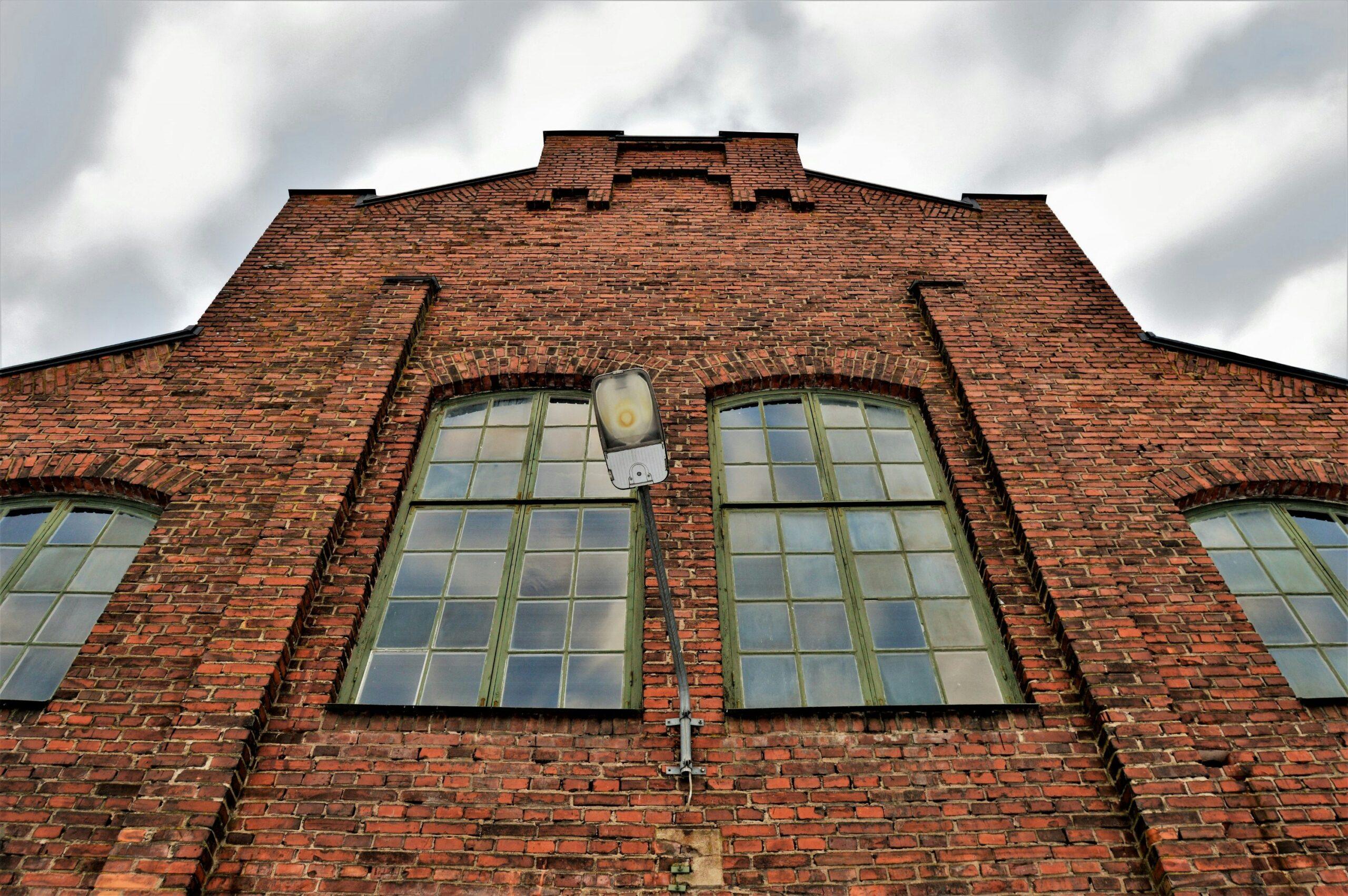
Sustainable management of existing brick masonry

Ongoing

Coordinator: Lund University

MYCOBUILD-–-Innovative-bio-based-building-materials-with-thermal-energy-storage-function

MYCOBUILD – Innovative bio-based building materials with thermal energy storage function

Ongoing

Swedish coordinator: Swedish University of Agricultural Sciences

Syntheses-to-promote-circularity-in-the-construction-sector

Syntheses to promote circularity in the construction sector

Ongoing

Coordinator: Uppsala University

Resource-efficient-renovation-using-a-3D-printable-material-from-underutilized-biomass

Resource efficient renovation using a 3D printable material from underutilized biomass

Ongoing

Coordinator: Chalmers University of Technology

Resource-efficient-indoor-comfort-at-high-outdoor-temperatures

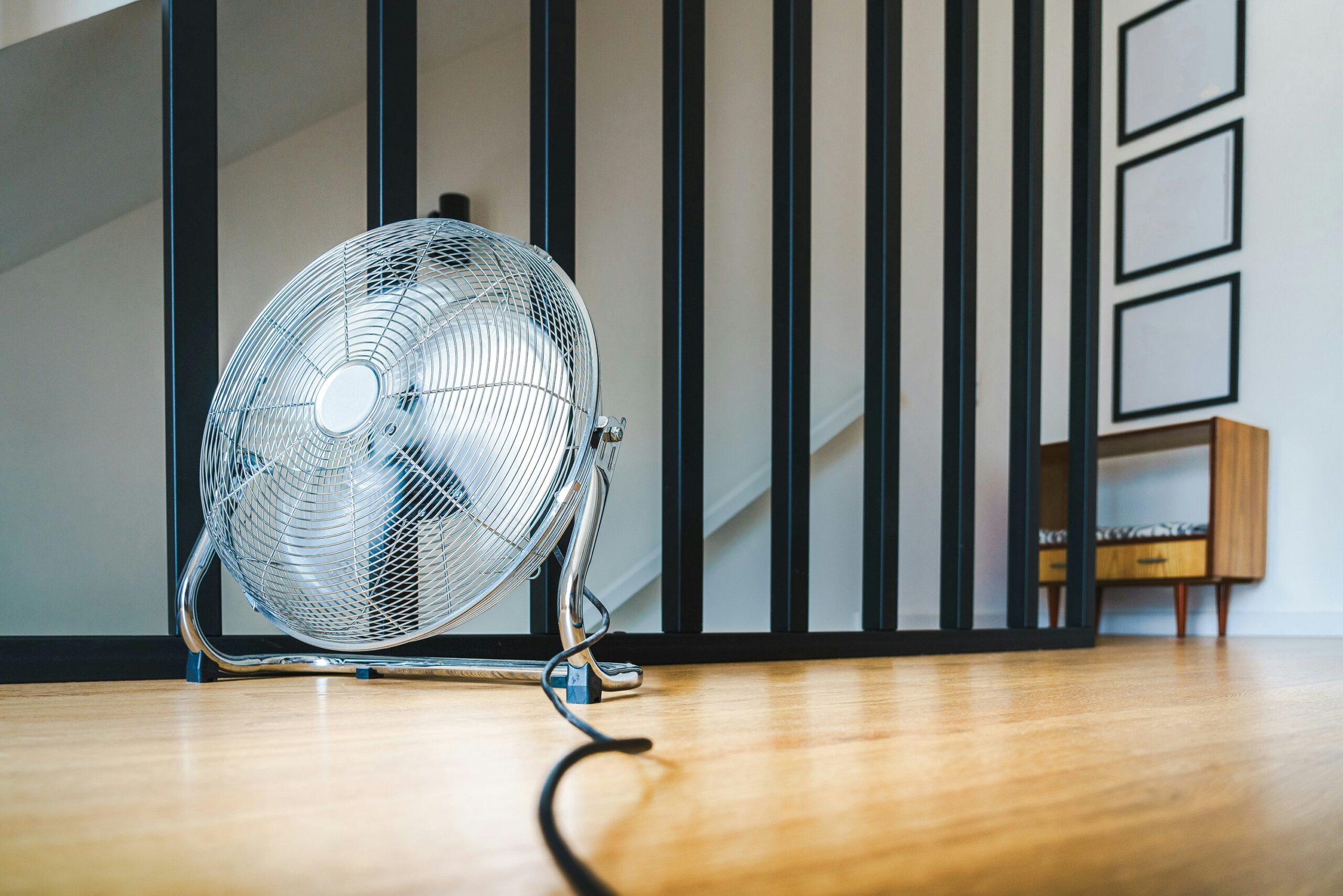
Resource-efficient indoor comfort at high outdoor temperatures

Ongoing

Coordinator: RISE – Research Institutes of Sweden

Public-acceptance-of-policies-for-energy-efficient-buildings

Public acceptance of policies for energy efficient buildings

Ongoing

Coordinator: Uppsala University

Simulation-and-optimization-based-analysis-to-support-the-design-of-life-cycle-net-zero-energy-buildings

Simulation and optimization-based analysis to support the design of life cycle net-zero energy buildings

Ongoing

Coordinator: Uppsala University

Environmental-trade-offs-for-decarbonised-buildings

Environmental trade-offs for decarbonised buildings

Ongoing

Coordinator: Linköping University

Bridging-achievement-of-SDGs-for-balanced-Positive-Energy-Districts

Bridging achievement of SDGs for balanced Positive Energy Districts

Ongoing

Swedish coordinator: Dalarna University

OPTIX-–-Optimising-Positive-Energy-Districts-through-Interoperable-Digital-Platforms

OPTIX – Optimising Positive-Energy Districts through Interoperable Digital Platforms

Ongoing

Swedish coordinator: Uppsala University

A-recilient-twin-transition-–-digitalization-accelerating-green-transition-–-what-does-it-mean-in-the-built-environment?

A recilient twin transition – digitalization accelerating green transition – what does it mean in the built environment?

Ongoing

Coordinator: RISE Research Institutes of Sweden

SmartPV-–-Semi-Transparent-and-Light-Adaptive-Luminescent-Solar-Concentrator-Photovoltaic-Glazings

SmartPV – Semi-Transparent and Light Adaptive Luminescent Solar Concentrator Photovoltaic Glazings

Ongoing

Swedish coordinator: Uppsala University

The-future-of-yesterday’s-concrete-utopias:-postwar-concrete-architecture,-energy-intensive-construction-materials,-and-cultural-heritage-as-a-tool-for-sustainability-efforts

The future of yesterday’s concrete utopias: postwar concrete architecture, energy intensive construction materials, and cultural heritage as a tool for sustainability efforts

Ongoing

Coordinator: Uppsala University

Buildings-in-the-integrated-energy-system

Buildings in the integrated energy system

Ongoing

Coordinator: Chalmers University of Technology

DOCENT-–-Development-of-Occupant-centric-Control-for-ENergy-efficienT-buildings

DOCENT – Development of Occupant-centric Control for ENergy efficienT buildings

Ongoing

Coordinator: KTH Royal Institute of Technology